Cleaning vs Deep Cleaning: How Often Should You Do Each for Airbnbs?

TurnoverPing Team
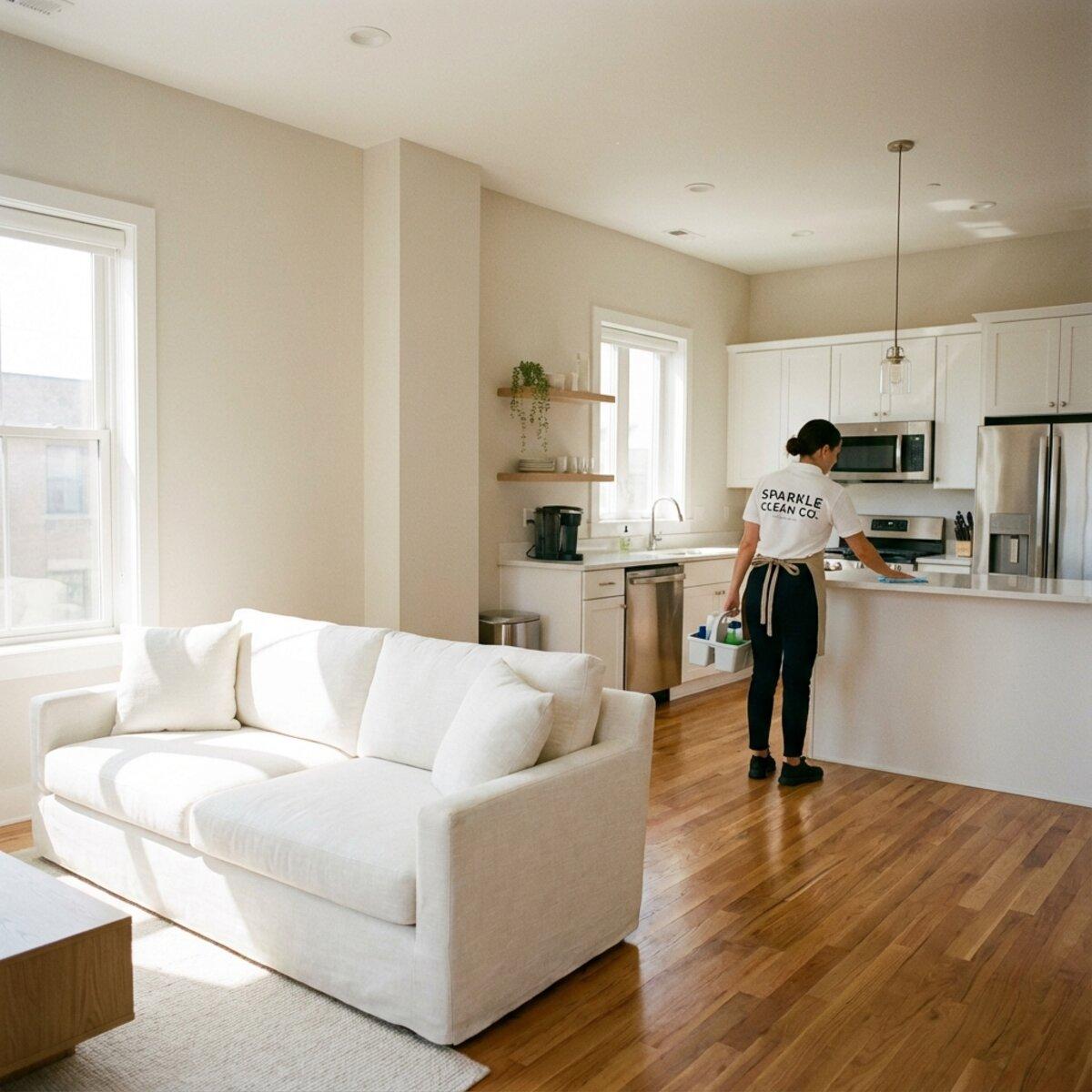
Your turnover cleaner just left and your property looks spotless. But is it really clean? Surface-level tidiness can mask the slow buildup of grime, bacteria, and wear that ultimately leads to negative reviews and costly repairs.
Understanding the difference between regular turnover cleaning and deep cleaning is crucial for every vacation rental host. Get it wrong, and you're either wasting money on unnecessary cleans or letting your property deteriorate. Get it right, and you'll maintain that "like new" feeling that guests rave about.
This guide breaks down the optimal airbnb deep cleaning schedule for your property, so you can protect your investment while keeping guests happy.
Key Takeaways
- ✅ Turnover cleaning happens after every guest; deep cleaning happens periodically
- ✅ High-turnover properties need deep cleaning every 4-6 weeks
- ✅ Standard rentals benefit from quarterly deep cleans
- ✅ Deep cleaning prevents costly repairs and negative reviews
- ✅ Automation keeps both cleaning types on schedule
Create Your Custom Deep Cleaning Checklist
Generate a comprehensive cleaning checklist tailored to your property type and turnover volume.
Turnover Cleaning vs Deep Cleaning: What's the Difference?
These two cleaning types serve completely different purposes. Confusing them is one of the most common mistakes vacation rental hosts make.
Turnover Cleaning: The Quick Reset
Turnover cleaning happens between every guest checkout and the next check-in. It's designed to make your property guest-ready quickly.
What turnover cleaning includes:
- Wiping and sanitizing visible surfaces
- Vacuuming or mopping floors
- Cleaning bathrooms and kitchen counters
- Changing linens and making beds
- Emptying trash and restocking supplies
- Quick dust of obvious surfaces
Turnover cleaning addresses what guests see and touch immediately. It's fast, typically taking 2-3 hours for a standard 2-bedroom property, and happens on a tight timeline. If you need help standardizing your turnover process, check out our complete Airbnb cleaning checklist guide. For building a complete turnover process, see our Airbnb turnover SOP walkthrough.
Turnover cleaning handles about 80% of your property's cleanliness needs. But that remaining 20%, the stuff that builds up slowly, is what deep cleaning addresses. Ignoring it eventually makes turnover cleans inadequate.
Deep Cleaning: The Complete Restoration
Deep cleaning is a thorough, periodic process that tackles everything turnover cleaning misses. Think of it as restoring your property to a "like new" condition.
What deep cleaning includes:
- Cleaning behind and underneath all furniture
- Scrubbing grout lines and tile
- Washing walls, baseboards, and light switches
- Deep-cleaning inside appliances (oven, refrigerator, dishwasher)
- Steam cleaning carpets and upholstery
- Cleaning window tracks and blinds
- Clearing air vents and replacing filters
- Washing curtains and deep-cleaning mattresses
- Descaling bathroom fixtures
Deep cleaning takes significantly longer, often 6-8 hours or more depending on property size. It's not something you can squeeze into a same-day turnover window.
| Aspect | Turnover Cleaning | Deep Cleaning |
|---|---|---|
| Frequency | After every guest | Every 1-6 months |
| Duration | 2-3 hours | 6-8+ hours |
| Focus | Visible surfaces | Hidden areas |
| Purpose | Guest readiness | Property maintenance |
| Cost | Lower per session | Higher per session |
The Optimal Airbnb Deep Cleaning Schedule
There's no one-size-fits-all answer. Your ideal cleaning frequency depends on how heavily your property is used.
High Turnover Properties (3+ Bookings Per Week)
If your property is booked constantly, dirt and grime accumulate rapidly. Guests track in debris, appliances get heavy use, and wear happens faster.
Recommended: Deep clean every 4-6 weeks (monthly)
At this pace, you'll prevent the kind of buildup that makes guests notice "something feels off." It also catches small maintenance issues before they become big problems.
Moderate Turnover Properties (1-2 Bookings Per Week)
Most vacation rentals fall into this category. You're busy enough to generate wear, but not so busy that everything degrades rapidly.
Recommended: Deep clean every 2-3 months
Quarterly deep cleans work well for most hosts. Schedule them at natural break points: between seasons, after holiday rushes, or during your typical slow periods.
Low Turnover Properties (A Few Bookings Per Month)
Properties with lighter usage can stretch the interval further. But don't skip deep cleaning entirely, even unused spaces collect dust and develop issues.
Recommended: Deep clean every 3-4 months
Even if your property isn't booked often, dust accumulates, air gets stale, and appliances can develop issues from disuse. A property that sits empty too long without maintenance can surprise you with problems.
Seasonal Rentals: A Special Case
If you operate primarily during peak season (summer beach house, ski cabin), your deep cleaning schedule should anchor around those periods.
Recommended approach:
- Deep clean before peak season begins (prep for heavy usage)
- Deep clean after peak season ends (address accumulated wear)
- Consider a mid-season deep clean if your season spans 4+ months
Factors That Affect Your Cleaning Frequency
Your base schedule should adjust based on these property-specific factors:
1. Pet-Friendly Properties
Allowing pets means dealing with hair, dander, odors, and additional wear on furniture and floors. Properties that allow pets typically need deep cleaning 50% more frequently.
If your baseline is quarterly, move to every 6-8 weeks instead.
2. Properties with Carpeting
Hard floors are much easier to maintain. Carpeted properties trap dirt, allergens, and odors that only deep cleaning can address. Budget for carpet shampooing or steam cleaning during every deep clean session.
3. High-Humidity Locations
Beach properties, lakefront rentals, and tropical locations are prone to mold, mildew, and salt buildup. These environments demand more frequent deep cleaning to prevent health hazards and property damage.
4. Properties with Outdoor Amenities
Hot tubs, pools, outdoor kitchens, and large patios bring additional maintenance needs. Factor these into your deep cleaning schedule, and consider having these areas serviced by specialists.
5. Long-Stay Guests
Extended stays (2+ weeks) create different wear patterns. Guests effectively "live" in your property rather than just visiting. Deep clean after any stay longer than two weeks, regardless of your normal schedule. If you manage multiple platforms, coordinating cleaners with calendar sync helps you stay on top of these scheduling needs.
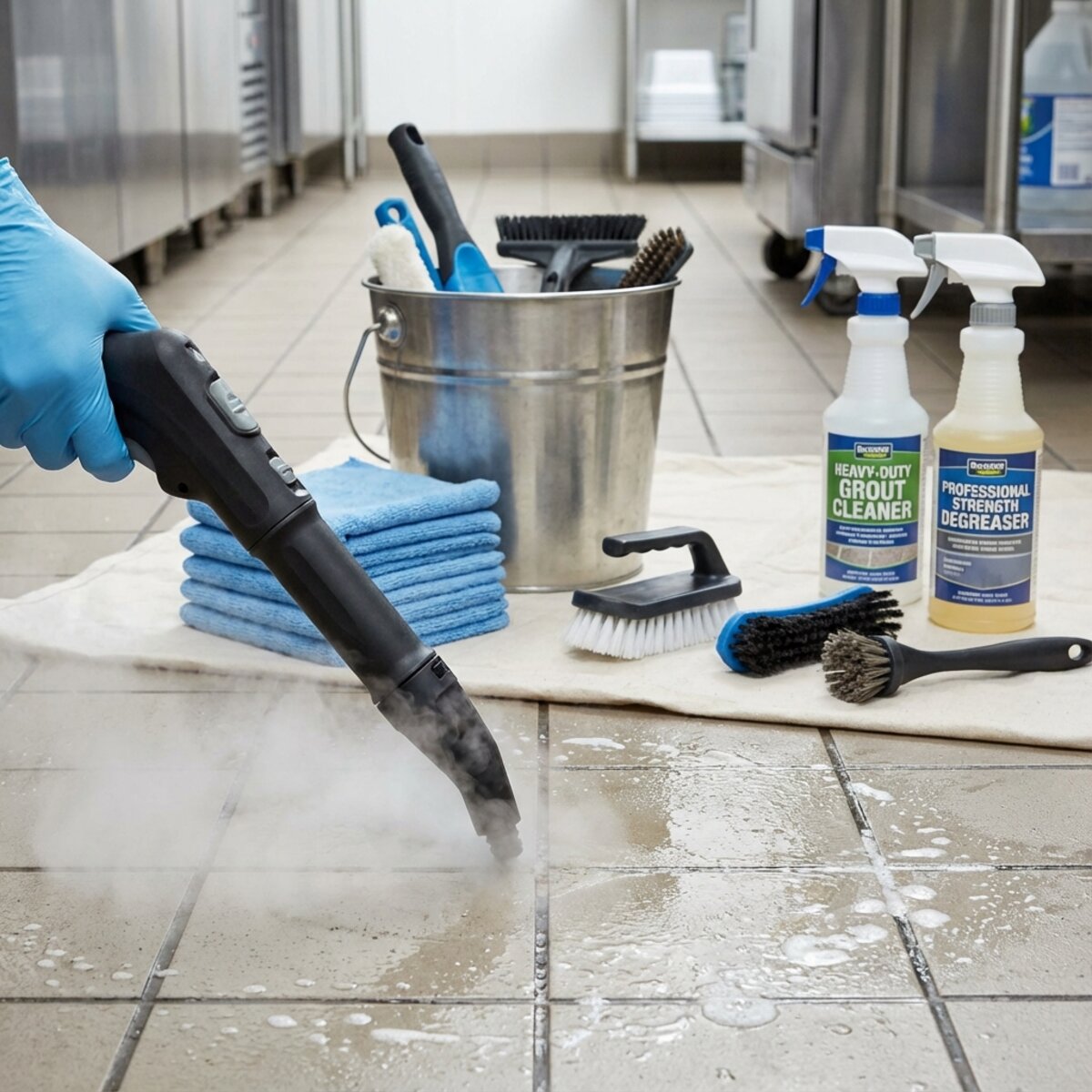
The Vacation Rental Deep Clean Checklist
When it's time for a vacation rental deep clean, use this comprehensive checklist to ensure nothing gets missed.
Kitchen Deep Clean Tasks
- Pull out refrigerator and clean behind/underneath
- Deep clean inside refrigerator, including shelves and drawers
- Clean inside oven, including racks
- Degrease range hood and filter
- Descale coffee maker and kettle
- Clean inside dishwasher (run cycle with cleaner)
- Pull out stove and clean behind/underneath
- Clean inside microwave thoroughly
- Wipe down cabinet interiors
- Scrub grout between tiles
- Clean and organize pantry
- Sanitize trash can interior
Bathroom Deep Clean Tasks
- Descale showerheads and faucets
- Deep clean grout (use grout cleaner or steam)
- Clean behind toilet completely
- Scrub tile walls (not just wipe)
- Clean exhaust fan and vent
- Wash or replace shower curtain/liner
- Clean medicine cabinet interior
- Descale toilet tank interior
- Polish fixtures to remove water spots
Living Areas Deep Clean Tasks
- Move furniture and clean underneath
- Steam clean carpets or deep clean rugs
- Clean upholstery (vacuum and spot treat)
- Wash curtains and blinds
- Clean window tracks and frames
- Dust ceiling fans and light fixtures
- Clean walls (spot clean marks, cobwebs in corners)
- Clean baseboards thoroughly
- Clean all air vents and replace filters
- Polish wood furniture
Bedroom Deep Clean Tasks
- Flip and vacuum mattresses
- Clean mattress protectors or replace
- Vacuum inside closets and under beds
- Clean behind headboards
- Dust all light fixtures and ceiling fans
- Wash pillow protectors and decorative pillows
- Deep clean dresser drawers
Keep Your Cleaners Organized
TurnoverPing automatically notifies your cleaners when turnovers are scheduled. Never miss a cleaning again.
DIY vs Professional Deep Cleaning
Should you handle deep cleans yourself, have your regular cleaner do it, or hire specialists?
When to DIY
- You have one property and the time to do it right
- You want to inspect the property thoroughly yourself
- Your property is small and manageable
When to Use Your Regular Cleaner
- They're experienced and you trust their thoroughness
- You can pay for the additional hours
- They have access to proper deep cleaning equipment
When to Hire Professionals
- Your property needs specialty services (carpet shampooing, pressure washing)
- You manage multiple properties and need efficiency
- The deep clean feels overwhelming or time-consuming
Many hosts use a hybrid approach: their regular cleaner handles standard deep cleaning tasks, while professionals are brought in periodically for specialized jobs like carpet cleaning, window washing, or appliance servicing. Airbnb's cleaning guidelines provide a baseline, but deep cleaning goes well beyond these standards.
Cost Considerations
Professional deep cleaning typically costs 2-3x more than turnover cleaning. For a 2-bedroom property:
- Turnover clean: $80-150
- Deep clean (by regular cleaner): $200-350
- Professional deep clean (specialty service): $300-500+
Factor these costs into your annual operating budget. A property with 100 nights of occupancy might spend $2,000-4,000 per year on turnover cleaning and $600-1,500 per year on deep cleaning.
Scheduling Deep Cleans Without the Headache
The biggest challenge with deep cleaning isn't the work itself. It's finding the time to do it.
Deep cleans require your property to be vacant for a full day, sometimes longer. That means blocking your calendar, coordinating with cleaners, and potentially losing booking revenue.
Strategy 1: Block Calendar During Known Slow Periods
Analyze your booking data to identify predictable slow periods. Block a day during these windows for deep cleaning. You're less likely to lose high-value bookings.
RentalReportDaily.com sends you a daily summary of all your bookings across platforms, making it easier to spot patterns and plan maintenance windows.
Strategy 2: Schedule After Long Stays
Guests staying 7+ nights already create a natural gap in your booking rhythm. Use the checkout day for a deep clean before your next guest arrives. This works especially well if you have 24+ hours between bookings.
Strategy 3: Automate Turnover Scheduling
When your regular turnover cleaning is automated, you can focus your mental energy on planning the bigger maintenance tasks, including deep cleans.
TurnoverPing syncs with your booking calendars and automatically notifies your cleaners when turnovers are scheduled. No manual texts, no missed notifications, no scheduling chaos. This frees you to think strategically about when to schedule deep cleans rather than firefighting daily turnover logistics.
Strategy 4: Combine with Other Maintenance
Deep cleaning is a good time to handle other maintenance tasks. The CDC's cleaning and disinfecting guidelines provide helpful standards for maintaining a healthy environment:
- Replace HVAC filters
- Check smoke detectors and batteries
- Inspect for water damage or leaks
- Test all appliances
- Update worn items (towels, linens, kitchen tools)
Bundling these tasks means you only need to block one extended window rather than multiple separate maintenance days.
Conclusion
Regular turnover cleaning keeps your property guest-ready. Periodic deep cleaning keeps it in excellent long-term condition. Both are essential, and neither can replace the other. If you're looking to automate your Airbnb cleaning operations, start with turnover scheduling and build deep cleans into your maintenance calendar.
For most vacation rental hosts, a quarterly deep clean (every 3 months) is the sweet spot. High-turnover properties should increase to monthly. Low-turnover properties can extend to every 4 months, but no longer.
Build deep cleaning into your operating calendar just like you budget for it financially. Block the time, hire the right people, and treat it as an investment in your property and your reviews.
Your guests may not consciously notice a recent deep clean, but they absolutely notice when one is overdue.
Frequently Asked Questions
How do I know when my property needs a deep clean?
Can my regular turnover cleaner do deep cleaning?
How long does a deep clean take?
Should I be present during deep cleaning?
How do I schedule deep cleans without losing bookings?
What if I manage multiple properties?
Simplify Your Cleaning Operations
Start with turnover automation, then build in time for the deep cleans that keep your property in top condition. TurnoverPing syncs with your calendars and handles cleaner notifications automatically.
Related Articles
How to Organize Linen and Laundry for Multiple Properties
Master the art of linen inventory and laundry logistics across multiple vacation rentals. Learn the 3-set system, professional laundry strategies, and how to keep every property guest-ready without the chaos.

Airbnb Cleaning Checklist for Small Studios and Tiny Spaces
Master the art of cleaning compact vacation rentals. This checklist covers studio apartments, tiny homes, and small spaces where every minute and every square foot counts.
Best Practices for Sharing Calendar Access with Your Cleaners
Discover the safest, most effective ways to share your Airbnb, VRBO, and Booking.com calendars with your cleaning team. Stop micromanaging and start automating.