How to Create a Turnover SOP for Your Short-Term Rental

TurnoverPing Team

You walk into your rental property expecting it to be guest-ready. Instead, you find streaky mirrors, a musty smell, and the coffee maker still containing yesterday's grounds. Your guest checks in four hours from now.
This scenario haunts every vacation rental host. The cause is almost always the same: inconsistent processes. When every turnover is handled differently, quality becomes unpredictable.
The solution is a Standard Operating Procedure. An Airbnb turnover SOP transforms cleaning from a hope-for-the-best activity into a repeatable, documented system that delivers hotel-quality results every single time.
Key Takeaways
- ✅ A turnover SOP eliminates inconsistency and ensures every clean meets the same standard
- ✅ The five-stage framework covers Prepare, Clean, Sanitize, Inspect, and Reset
- ✅ Documenting every step makes training new cleaners faster and easier
- ✅ Photo documentation creates accountability and protects against false claims
- ✅ Automation tools remove the coordination burden so you can focus on quality
Generate Your Custom SOP Checklist
TurnoverChecklist.com creates detailed, room-by-room cleaning checklists tailored to your property. Turn it into your SOP foundation in minutes.
What Is a Turnover SOP and Why You Need One
A Standard Operating Procedure is a documented set of steps that defines exactly how a task should be completed. For vacation rentals, a turnover SOP covers everything that happens between one guest checking out and the next guest checking in.
Without an SOP, each cleaner interprets "clean the property" in their own way. One cleaner might scrub the inside of the oven every time. Another might never think to check it. One might make beds with hospital corners. Another might just throw the comforter on top.
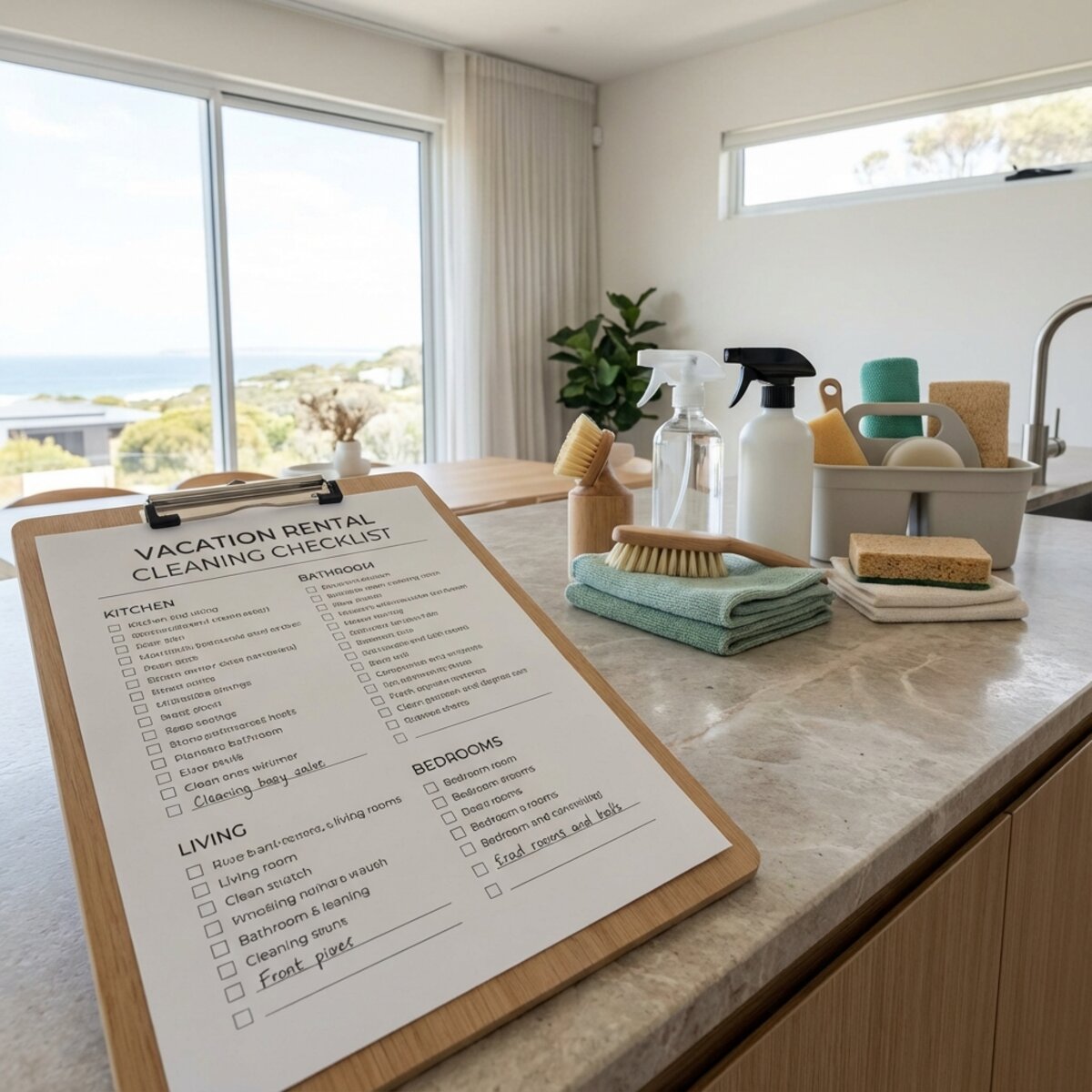
This inconsistency directly impacts your business:
- Unpredictable reviews: One guest gets five-star cleanliness, the next gets disappointed
- Increased stress: You never know what condition the property will be in
- Training difficulties: Every new cleaner requires extensive shadowing
- Wasted time: You or your cleaners spend time deciding what to do instead of doing it
A documented vacation rental cleaning process solves all of these problems. When the process is written down, every cleaner follows the same steps. Quality becomes predictable. Training becomes faster. You can automate your cleaning schedules and scale to multiple properties without being personally involved in every turnover.
The Five-Stage Framework for Any Turnover
Airbnb's Enhanced Cleaning Protocol established a framework that has become industry standard. Every turnover SOP should follow these five stages:
Stage 1: Prepare
Before any cleaning begins, set up for success:
- Open windows and doors to ventilate the space
- Gather all necessary cleaning supplies and equipment
- Put on personal protective equipment (gloves, mask if needed)
- Review the checklist and any property-specific notes
- Check for any guest-reported issues or damage
Preparation prevents the frustration of starting a task, then realizing you need a supply from another room or a different cleaning product.
Stage 2: Clean
Cleaning removes visible dirt, dust, and debris:
- Work top to bottom so dust falls to surfaces you have not cleaned yet
- Strip all linens from beds, collect towels, and remove used bath mats
- Empty all trash cans and refrigerator of any leftover food
- Wipe down all hard surfaces with appropriate cleaners
- Vacuum or sweep all floors, including under furniture
- Mop hard floors with clean solution
This stage addresses everything guests can see. Dust on surfaces, hair in corners, grime on appliances.
Stage 3: Sanitize
Sanitizing reduces bacteria and germs on high-touch surfaces:
- Door handles, locks, and deadbolts
- Light switches throughout the property
- Remote controls for TVs and climate systems
- Appliance handles (refrigerator, oven, microwave, dishwasher)
- Cabinet and drawer pulls
- Faucets, toilet handles, and flush buttons
- Chairs, table surfaces, and countertops
- Thermostats and alarm panels
Use EPA-approved or equivalent disinfectants and allow proper dwell time. Spraying and immediately wiping does not sanitize effectively. For complete sanitization standards, review Airbnb's cleaning requirements.
Disinfectants need contact time to work. Check your product label for the required dwell time, often 3 to 10 minutes. Wiping too quickly defeats the purpose of sanitization.
Stage 4: Inspect
After cleaning and sanitizing, verify the work:
- Walk through each room with your checklist
- Check commonly missed spots: baseboards, ceiling fans, inside appliances
- Test that all lights, electronics, and appliances work
- Look for damage or maintenance issues
- Confirm inventory is complete and correctly placed
- Take photos documenting the property's condition
Inspection catches issues before guests do. It is much better to find a problem now than to read about it in a review later.
Stage 5: Reset
Prepare the property for guest arrival:
- Wash hands or change gloves before handling clean items
- Make beds with fresh, crisp linens
- Fold and arrange towels in hotel style
- Restock all consumables (toilet paper, soap, coffee, etc.)
- Arrange furniture and decorative items neatly
- Set room temperature to a comfortable level
- Final walkthrough checking the property from a guest's perspective
The reset stage is about presentation. The property should not just be clean but also welcoming.
How to Document Your SOP Step by Step
Creating your SOP requires capturing every detail of your ideal turnover. Here is how to build one that works:
Start with a Complete Walkthrough
Walk through your property as if you were a guest arriving for the first time. Note every surface, every item, every detail that contributes to the experience.
Ask yourself:
- What would I notice immediately?
- What would bother me if it were dirty or out of place?
- What might I check that hosts often overlook?
Document everything. The goal is to capture the complete picture, not just the obvious tasks.
Break It Down Room by Room
Organize your SOP by space. Each room gets its own section with specific tasks. This makes it easier for cleaners to work systematically and ensures nothing is skipped when they move between areas.
A room-by-room structure also makes training simpler. You can teach the bathroom procedure completely, then move to the kitchen, rather than jumping back and forth.
Specify Products and Methods
Do not just write "clean the counters." Specify:
- Which cleaner to use (granite cleaner for stone, degreaser for kitchen, etc.)
- How to apply it (spray and wipe, spray and let sit, etc.)
- What to wipe with (microfiber cloth, paper towel, etc.)
- Any special instructions (buff dry to prevent streaks)
The more specific you are, the more consistent your results will be.
Include Time Estimates
For each section, estimate how long it should take. This helps cleaners pace themselves appropriately for same-day turnovers and helps you schedule accurately.
A typical breakdown might look like:
- Preparation: 10 minutes
- Kitchen: 30 minutes
- Bathrooms: 20 minutes each
- Bedrooms: 15 minutes each
- Living areas: 20 minutes
- Final reset and inspection: 15 minutes
Add Visual References
Words can be ambiguous. What does "hotel-style towel folding" actually look like? Include photos showing the expected result for bed making, towel placement, amenity arrangement, and other visual standards.
These reference photos eliminate guesswork and give cleaners a clear target.
Room-by-Room Breakdown for Your SOP
Here is a detailed breakdown you can adapt for your own property. For a comprehensive printable version, see our complete Airbnb cleaning checklist.
Entry and Common Hallways
- Sweep or vacuum floor
- Wipe down front door (inside and outside) and handles
- Clean light switches and thermostat
- Dust any decor or surfaces
- Check shoe storage and coat hooks
- Ensure welcome materials are present and in good condition
Kitchen
The kitchen combines grease, food residue, and appliance complexity:
Appliances:
- Clean microwave inside and out (check turntable and ceiling)
- Wipe oven exterior; clean oven interior if needed
- Clean stovetop and backsplash
- Empty and wipe refrigerator shelves, drawers, and seals
- Clean dishwasher door and rubber seals
- Wipe small appliances (coffee maker, toaster, etc.)
Surfaces:
- Disinfect all countertops
- Clean sink and faucet until shining
- Wipe cabinet fronts and handles
- Clean any visible surfaces inside cabinets
Reset:
- Arrange dishware neatly
- Restock dish soap, hand soap, and sponge
- Empty and reline trash bin
- Ensure coffee supplies are fresh and complete
Inside the microwave, refrigerator door seals, and oven door handles. These are exactly where guests look. Train your team to double-check them every time.
Bathrooms
Bathrooms receive the most scrutiny and require the most attention:
Fixtures:
- Scrub toilet inside and outside, including base and behind
- Clean sink basin and faucet
- Scrub shower or tub, including grout and caulk lines
- Clean shower door or curtain
- Polish all chrome until streak-free
- Clean mirrors without streaks
Surfaces:
- Wipe countertops and shelving
- Clean light switches and outlets
- Dust exhaust fan cover
- Wipe down walls if needed
Reset:
- Hang fresh towels in hotel style
- Place fresh bath mat
- Restock toilet paper (minimum two rolls)
- Restock toiletries (soap, shampoo, conditioner)
- Add fresh garbage bag
Bedrooms
Where guests spend the most time and notice everything:
Cleaning:
- Vacuum mattress before making bed
- Dust all furniture surfaces
- Wipe nightstands and lamps
- Clean mirrors and any glass surfaces
- Vacuum floors including under bed and in corners
- Dust ceiling fan and light fixtures
Linens:
- Make bed with fresh sheets and pillowcases
- Add blankets or comforters according to season
- Fluff and arrange pillows
- Ensure mattress protector is clean and in place
Reset:
- Check drawers and closets for previous guest items
- Arrange any welcome amenities
- Ensure hangers are available and uniform
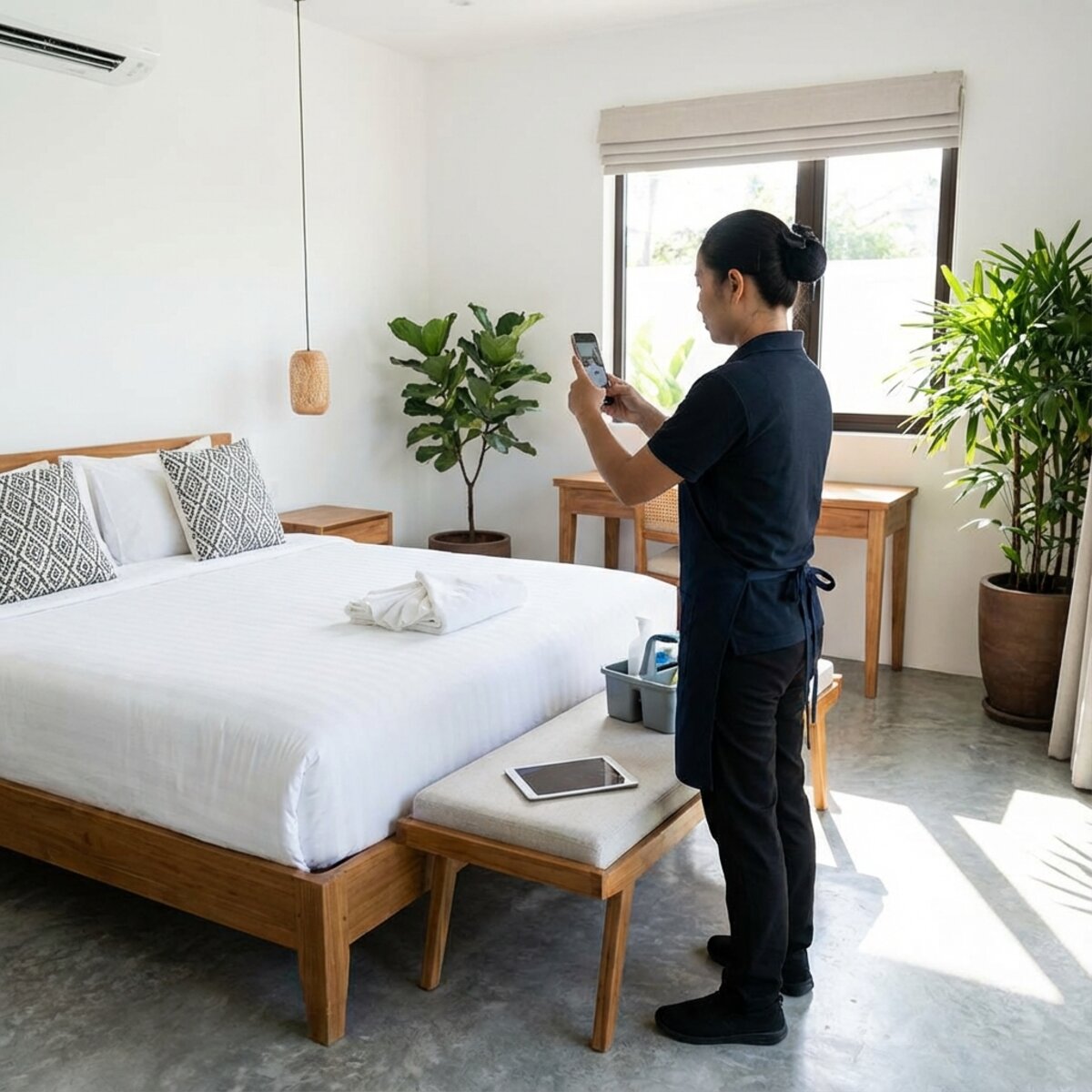
Living Areas
Common spaces need to feel fresh and inviting:
- Vacuum upholstery, including under and between cushions
- Wipe coffee tables and side tables
- Clean TV screen with appropriate cleaner
- Sanitize remote controls
- Dust shelves, decor, and electronics
- Vacuum or mop floors
- Arrange throw pillows and blankets neatly
Outdoor Areas (If Applicable)
- Sweep patios and decks
- Wipe down outdoor furniture
- Clean grill if provided
- Check that outdoor lighting works
- Ensure trash containers are empty and clean
Training Your Team on the SOP
A documented SOP is only valuable if your team follows it. Training ensures understanding and buy-in.
Initial Training Session
Walk through the entire SOP with each new cleaner at the actual property. Demonstrate each task as you explain it. Let them practice while you observe.
This takes time initially but saves endless corrections later.
Reference Materials
Provide each cleaner with:
- A printed or digital copy of the complete SOP
- A quick-reference checklist for daily use
- Photos showing expected standards for each room
- Contact information for questions
Quality Checks
Regular inspection maintains standards over time. Options include:
- Periodic in-person spot checks
- Required photo documentation after each turnover
- Guest feedback review and discussion
- Self-audit checklists cleaners complete
Automate Your Cleaner Notifications
Stop coordinating turnovers via text messages. TurnoverPing syncs with your calendar and automatically notifies cleaners when a checkout is scheduled.
Common SOP Mistakes and How to Avoid Them
Even with the best intentions, hosts make predictable mistakes when creating their turnover SOPs.
Making It Too Vague
"Clean the kitchen" is not an SOP. It is a goal. An SOP specifies exactly what "clean the kitchen" means at your property.
Fix it: Include specific tasks, specific products, and expected outcomes for every area.
Making It Too Complicated
An SOP that takes 20 minutes to read will not be followed. Cleaners need something they can reference quickly during work.
Fix it: Create two documents. A detailed master SOP for training and reference, and a condensed checklist for daily use.
Not Updating It
Properties change. You add new amenities, replace appliances, or discover guest pain points. Your SOP needs to evolve.
Fix it: Review and update your SOP quarterly. Incorporate feedback from cleaners and guest reviews.
Ignoring Cleaner Input
Cleaners are on the ground executing the SOP. They know what works and what does not. Ignoring their perspective wastes valuable insights.
Fix it: Ask cleaners for feedback after their first few turnovers. Hold periodic check-ins to discuss improvements.
No Accountability System
An SOP without verification becomes optional. When no one checks compliance, standards slip.
Fix it: Build verification into the process. Photo documentation, spot checks, or guest feedback review all create accountability.
Bringing It All Together
Creating a comprehensive Airbnb turnover SOP requires upfront investment. You need to walk through your property, document every detail, create training materials, and establish accountability systems.
The return on that investment is significant:
- Consistent five-star cleanliness reviews
- Faster and easier cleaner training
- Reduced stress and uncertainty between guests
- Ability to scale to more properties confidently
- Protection against false damage claims through documentation
Your SOP becomes the foundation of your short-term rental operations. It is not just a cleaning document. It is a business asset that ensures quality regardless of who is doing the cleaning or whether you are personally involved. Paired with calendar sync automation, your SOP transforms from a document into a fully operational system.
Start by documenting what you already know works. Refine it based on feedback and results. Automate the scheduling and communication around it. Within a few turnovers, you will have a system that runs reliably without your constant attention.
That is the difference between running a rental and running a business.
Frequently Asked Questions
How long should a turnover SOP be?
Should I hire a professional to create my SOP?
How do I enforce SOP compliance with independent cleaners?
How often should I update my turnover SOP?
Can I use the same SOP for multiple properties?
Stop Chasing Cleaners with Text Messages
TurnoverPing connects to your booking calendars and automatically notifies your cleaners when turnovers are needed. Cleaners confirm with one tap. You get peace of mind without the coordination headache.
Related Articles
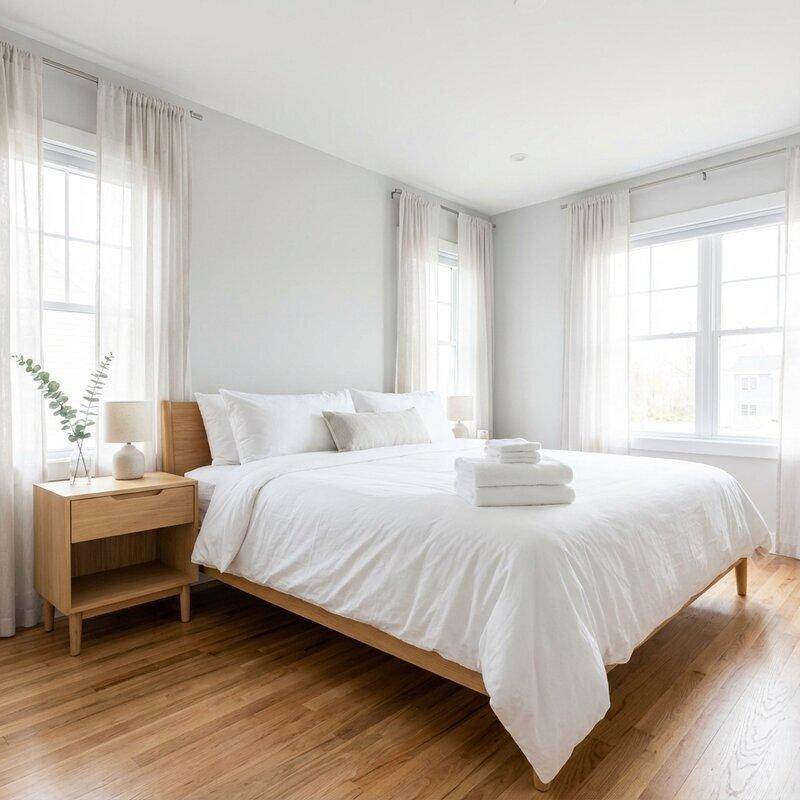
The Ultimate Airbnb Cleaning Checklist for Faster Turnovers
Master your vacation rental turnovers with this comprehensive Airbnb cleaning checklist. Save time, impress guests, and maintain 5-star cleanliness standards.
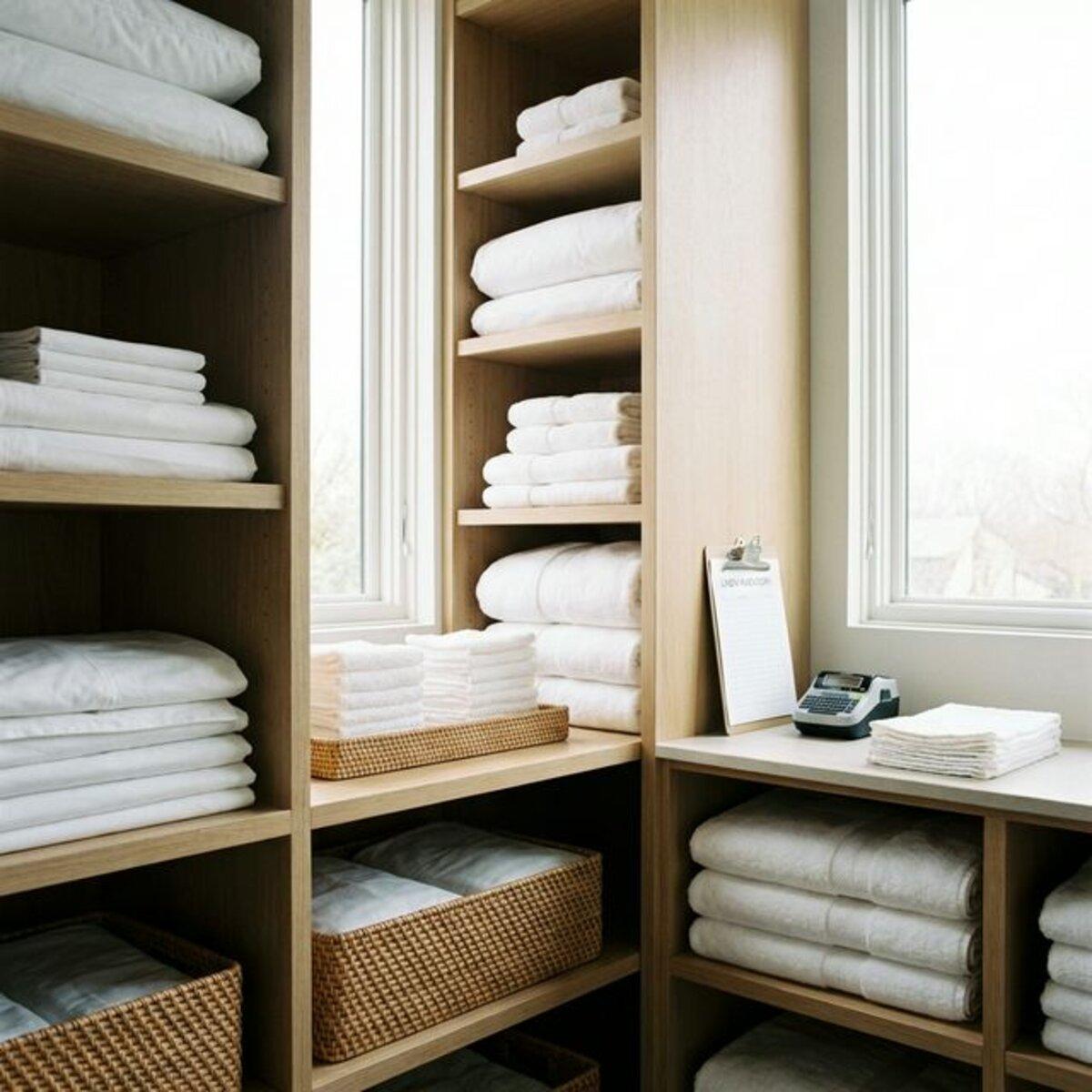
How to Organize Linen and Laundry for Multiple Properties
Master the art of linen inventory and laundry logistics across multiple vacation rentals. Learn the 3-set system, professional laundry strategies, and how to keep every property guest-ready without the chaos.
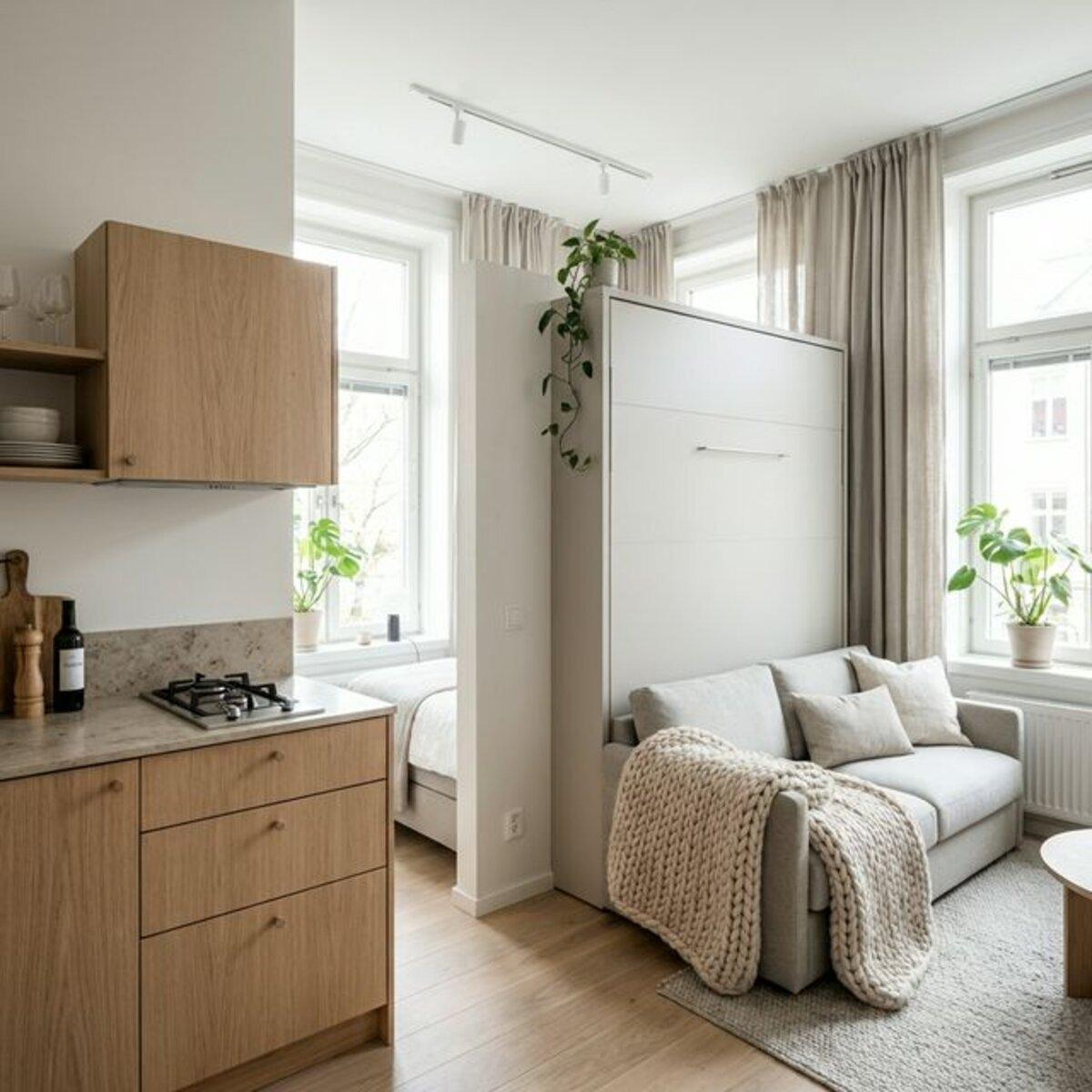
Airbnb Cleaning Checklist for Small Studios and Tiny Spaces
Master the art of cleaning compact vacation rentals. This checklist covers studio apartments, tiny homes, and small spaces where every minute and every square foot counts.